
After any car accident in Florida, what you do in the first few moments can make or break your case. It’s a chaotic, stressful situation, but focusing on two things—your health and documenting everything—is absolutely essential. Getting these first steps right lays the groundwork for a successful injury claim and can dramatically affect the compensation you’re able to recover.
Your First Moves After a Florida Accident

The minutes and hours after a wreck are a blur. Adrenaline is pumping, and it’s easy to feel disoriented. But the actions you take right then and there are incredibly important. Even if you feel fine, adrenaline has a nasty habit of hiding serious injuries that won’t show up for hours, or even days.
Prioritize Medical Attention Immediately
This is the most critical step, bar none. Get checked out by a doctor. In Florida, the law is very specific: you typically have just 14 days to get initial medical care to qualify for your Personal Injury Protection (PIP) benefits. If you wait, you’re not just risking your health; you’re handing the insurance company an excuse to deny your claim by arguing your injuries aren’t from the crash.
Delaying that doctor’s visit is a huge, yet common, mistake. A prompt evaluation creates an official medical record that directly links your injuries to the accident, which is vital for your case.
Document the Scene Thoroughly
While you’re waiting for the police to arrive, turn your smartphone into an evidence-gathering machine. Good, clear photos are some of the most powerful tools you’ll have.
Try to capture everything you can:
- Vehicle Positions: Get shots of all the cars from different angles before anyone moves them.
- Property Damage: Zoom in on the damage to every vehicle—dents, shattered glass, deployed airbags, everything.
- The Big Picture: Photograph skid marks on the road, traffic signs, debris, and even the weather conditions.
- Visible Injuries: If you have any cuts or bruises, take pictures of them right away.
This evidence is gold for your attorney. It helps us reconstruct exactly what happened and shut down any arguments from the other side about who was at fault.
Remember, a picture is worth a thousand words, especially when it comes to proving fault in an accident claim. Your photos and videos create an unbiased record of the immediate aftermath.
Gather Key Information and Report the Incident
Once it’s safe to do so, get the other driver’s information. Keep the conversation short and stick to the facts—just exchange names, phone numbers, and insurance details. Don’t get into a discussion about who caused the crash and never apologize. Saying “I’m sorry” can be twisted and used against you later.
If there are any witnesses, get their names and numbers. A statement from an impartial third party can be incredibly helpful.
And finally, always, always get a police report. This official document is a cornerstone for your insurance claim and any legal action that follows.
Starting Your Search for a Local Attorney

After you’ve taken care of your immediate health needs, it’s time to find the right legal partner. The thought of searching for an “accident injury lawyer near me” can feel like a huge task, especially when you’re already stressed. But breaking it down into manageable steps makes all the difference.
Your goal isn’t just to find any lawyer. It’s about finding the best possible advocate for your unique situation right here in the Tampa area. We’re going to move from a wide-open internet search to a focused shortlist of top-tier candidates. Aim to identify three to five well-regarded attorneys you can dig into deeper.
Tapping into Digital and Personal Networks
Let’s be honest, most searches start online these days. Firing up Google Maps and searching for local injury attorneys is a great first move. It gives you a bird’s-eye view of nearby firms, complete with client ratings and, most importantly, reviews.
Pay close attention to what people are saying. Are there recurring themes? Do clients repeatedly praise a firm for great communication, aggressive representation, or getting solid results? Those patterns are gold.
Beyond a quick search, use these resources to build a solid list:
- Trusted Referrals: Nothing beats a recommendation from someone you trust. Ask friends, family, or coworkers if they’ve ever needed a personal injury lawyer. Hearing about a real experience is incredibly valuable.
- The Florida Bar: Before you go any further with a name, run it through the official state bar association. This is a non-negotiable step to confirm they are licensed and in good standing.
A law firm’s online presence often says a lot about how they operate. If they’re easy to find and their information is clear, it’s a good sign they value client communication and accessibility.
The need for skilled legal help is undeniable. In fact, the personal injury law industry in the U.S. is projected to hit a revenue of $61.7 billion in 2025. That number really underscores the vital role these attorneys play in securing justice for victims.
From a Long List to a Shortlist
As you build out your list, think of yourself as a detective gathering clues. You’re not just collecting names—you’re collecting intelligence. Note each firm’s location, what types of cases they specialize in, and the general sentiment from past clients.
This initial legwork is what sets you up for the next, more detailed phase of evaluating their actual experience and courtroom track record. If you’re curious about how law firms connect with clients in the first place, reading up on proven law firm marketing strategies can offer some interesting perspective.
By blending online research with personal referrals and official verification, you can build a strong shortlist with confidence.
How to Vet and Compare Tampa Law Firms
Once you’ve got a shortlist of promising attorneys, the real work begins. It’s time to shift from just searching to truly scrutinizing. This is where you look past the polished ads and figure out who really has the chops to handle your case.
You need a team that has been in the trenches with accidents just like yours. A chaotic, multi-car pile-up on I-275 is a completely different beast than a rideshare accident near Amalie Arena. Don’t be shy—ask them directly about their track record with cases that mirror your situation.
Assessing Experience and Trial Readiness
Here’s a critical distinction many people miss: some firms prepare every case as if it’s going to trial, while others are just looking to settle quickly. Trust me, the insurance companies know exactly which lawyers are which. They know who will fight and who will fold.
A trial-ready firm starts building your case for the courtroom from day one. They’re gathering evidence, hiring experts, and constructing a claim that’s built to win. This aggressive stance is what forces insurance companies to the negotiating table with serious settlement offers—they’d much rather pay up than risk losing a costly court battle.
Look for these signs of a genuinely strong firm:
- Relevant Case Results: Don’t get wowed by a single giant number. You want to see results from cases like yours, whether it was a truck wreck, a motorcycle crash, or a complex car accident.
- Real Client Stories: Go beyond the star ratings. Read testimonials that talk about communication, the legal process, and how the firm handled unexpected bumps in the road. This gives you a true feel for what it’s like to be their client.
- Local Courtroom Savvy: A lawyer who knows the Hillsborough County judges, understands the local procedures, and has faced the same opposing counsel before has a home-field advantage. That kind of insider knowledge is priceless.
Understanding a Firm’s Operations and Resources
A firm’s legal skill is paramount, but its day-to-day operations can make or break your experience. Think about it: How they answer the phone, how they manage documents, and how they keep you in the loop all reflect their professionalism. As you vet different firms, understanding how they manage initial client communications, such as through specialized law firm phone answering services, can be a key differentiator in their professionalism.
Firm size is another factor, but bigger definitely isn’t a guarantee of better. We put together a guide on whether hiring a bigger law firm is better than hiring a small firm to help you decide what works for your situation.
A law firm’s willingness to go to trial is its biggest bargaining chip. The lawyers with a reputation for being courtroom-ready often secure the highest settlements without ever needing to see a judge.
The best firms are also embracing technology to manage cases more effectively. A 2025 report revealed that 37% of personal injury professionals now use generative AI in their daily work, outpacing the 31% average for the legal field as a whole. You can discover more insights about these legal tech trends on 8am.com. When a firm invests in modern tools, it shows they’re committed to gaining every possible advantage for their clients.
Getting the Most Out of Your Free Consultation
Think of the free consultation as your interview—you’re the one in the hiring position. This is your chance to really get a feel for the attorney and their firm. Are they the right person to have in your corner?
Walking in with a solid list of questions is the best way to see how they think, communicate, and whether they have the specific experience your case demands. You’re looking for a partner you can trust, and how they answer will tell you everything you need to know.
Questions That Cut to the Chase
Generic questions get generic answers. You need to dig deeper to find out what they really know and how their firm actually runs. If you get vague, roundabout answers, that’s a huge red flag. You want an attorney who is direct, confident, and transparent.
Here’s what I’d ask:
- Who will I actually be talking to day-to-day? Will it be the main lawyer, a paralegal, or a case manager? Knowing this from the get-go saves a lot of headaches later on.
- How many cases like mine have you handled specifically in Hillsborough County? An attorney who knows the local court system—the judges, the procedures, and even the opposing lawyers—has a home-field advantage.
- From what you’ve heard so far, what are the biggest hurdles you see in my case? This question is a great test of their honesty and strategic mind. A seasoned lawyer will point out potential problems upfront instead of just telling you what they think you want to hear.
An attorney who talks openly about potential challenges isn’t trying to scare you; they’re showing respect. It proves they’re a real strategist who has been through these battles before, not just a salesperson trying to get you to sign.
Coming Prepared for a Productive Conversation
To make this meeting truly effective, you need to bring your paperwork. Having your documents ready allows the attorney to give you a much more accurate first take on your situation and offer real advice, not just generalities. It shows you’re serious and lets them get straight to the point.
Try to gather these items before your meeting:
- The Police Report: This is the official story of the accident and a cornerstone of your claim.
- Medical Documents: Any bills, notes from your doctor, or test results related to your injuries.
- Photos & Videos: If you took any pictures or videos at the scene, they are incredibly valuable.
- Insurance Information: Your own policy and any letters or emails you’ve exchanged with any insurance company.
Talking Money: The Fee Agreement
Finally, let’s talk about how the lawyer gets paid. Nearly every personal injury attorney in Florida works on a contingency fee basis. Simply put: you don’t pay them a dime unless they win your case.
But the devil is in the details. Ask them to explain their fee agreement, line by line, so there are absolutely no surprises down the road. To get comfortable with this topic beforehand, our guide explains how contingency fees work in a car accident in plain English. Knowing the basics empowers you to ask the right questions and make sure the agreement is fair.
Navigating the Florida Injury Claim Process
Once you’ve found the right accident lawyer, you can finally take a breath. You’re not in this fight alone anymore. The focus now shifts from searching for help to building a strong case and getting you the compensation you deserve.
It’s important to know that the timeline for an injury claim in Florida isn’t one-size-fits-all. Some cases resolve in a few months, while others might take over a year. It really depends on things like the severity of your injuries, how complex the accident was, and frankly, how difficult the insurance company decides to be. Your attorney handles every step, letting you focus on what truly matters: your recovery.
From your perspective, getting started is straightforward.
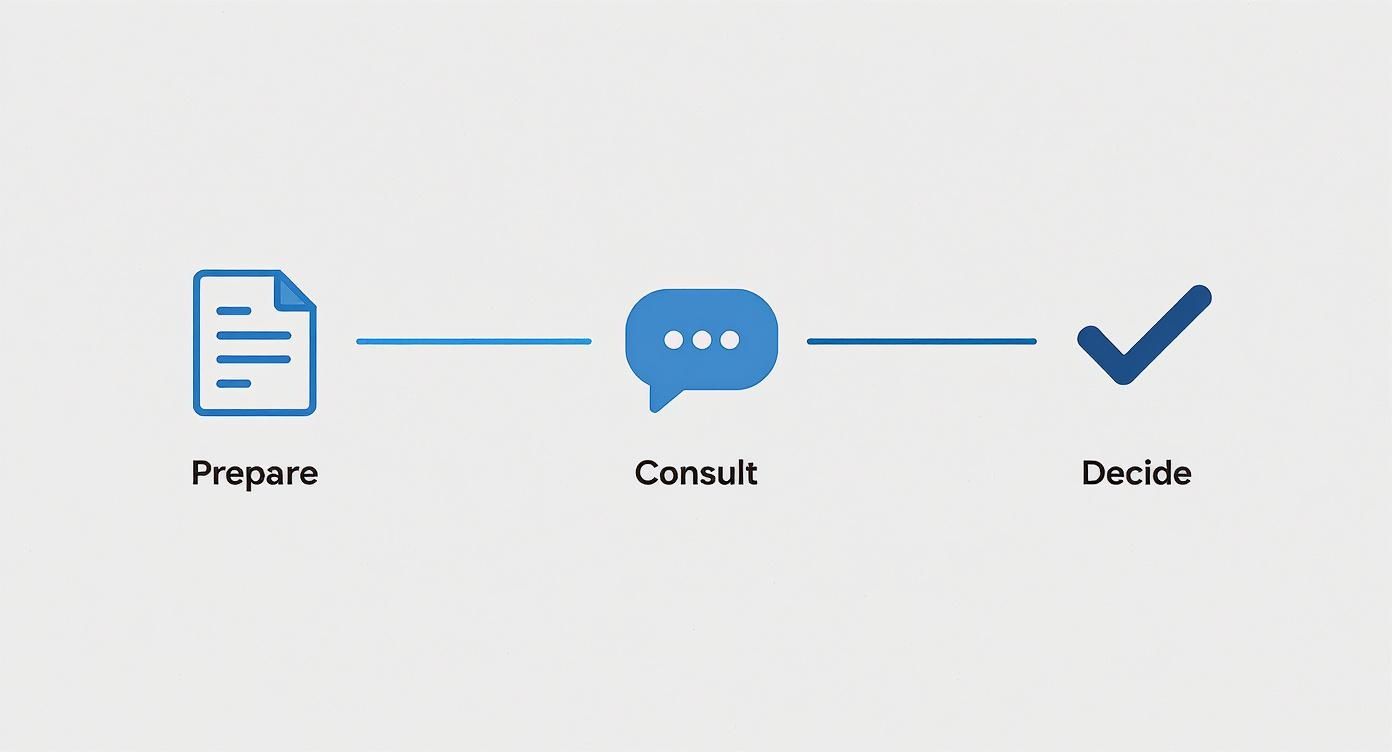
The key takeaway is that a successful outcome begins with your preparation and a decisive choice to seek expert legal help.
The Initial Investigation and Claim Filing
The first thing your attorney will do is dive deep into the details of your case. This is a full-blown investigation that goes far beyond just reading the police report.
Your legal team will get to work gathering all the critical evidence, which usually involves:
- Pulling official accident reports and every single medical record related to your injuries.
- Tracking down and interviewing witnesses while their memories are still fresh.
- Bringing in accident reconstruction experts, if necessary, to scientifically prove how the crash happened and who was at fault.
- Calculating the true cost of your damages—not just the current medical bills, but also lost wages, future treatment needs, and the impact on your quality of life.
With all this evidence in hand, your lawyer will draft and send a formal demand letter to the at-fault party’s insurance company. This isn’t just a simple note; it’s a detailed legal document that lays out the facts, proves liability, and demands a specific dollar amount to cover your losses. This is the official starting pistol for negotiations.
For a more detailed breakdown, you can read our guide on how to file a personal injury claim.
Negotiations and the Path to a Settlement
This is where having an experienced lawyer really pays off. Insurance adjusters are skilled negotiators whose primary job is to protect their company’s bottom line by paying out as little as possible. They have a playbook of tactics to downplay your injuries and devalue your claim.
Your attorney’s job is to counter every move, present the evidence in the most compelling way, and fight for an offer that is actually fair. A good settlement covers not just your immediate bills but also your pain and suffering.
It’s a fact that the vast majority of personal injury cases in Florida—well over 90%—end in a settlement. A lawsuit is filed, but the case is resolved before it ever gets to a jury. A settlement is simply a formal agreement where the insurance company pays an agreed-upon amount, and in return, you release them from future liability.
A settlement provides certainty. It gives you a guaranteed outcome and lets you avoid the time, stress, and unpredictability of a trial. A seasoned attorney knows what your claim is truly worth and will give you the straight advice you need on whether an offer is fair or if it’s time to take the fight to the courtroom.
Got Questions? We’ve Got Answers
Even after you’ve done your homework, it’s completely normal to have a few more questions rattling around. The thought of hiring a lawyer can be intimidating, but getting straight answers is the best way to feel confident about your next move. Here are some of the most common things people ask when they call our Tampa office.
What’s This Going to Cost Me?
This is usually the first question on everyone’s mind, and the answer is a huge relief: you don’t need any money upfront to hire a great personal injury lawyer. Nearly all of us in Florida work on what’s called a contingency fee basis.
So, what does that mean for you? It means our fee is simply a percentage of the money we recover for you. If we don’t win your case—either through a settlement or a jury verdict—you owe us zero in attorney’s fees. Simple as that. This system is designed to give everyone a fair shot at justice, no matter what their bank account looks like.
Typically, the standard contingency fee in Florida is between 33.3% and 40% of the total recovery. Make sure this is spelled out clearly in any agreement you sign. Don’t be shy about asking for a full breakdown of the fee structure during your initial chat.
Is There a Deadline to File My Injury Claim?
Yes, and this is incredibly important. After a car wreck, the clock starts ticking. Florida has a law called the statute of limitations that sets a strict deadline for filing a lawsuit. For most personal injury claims, that window is now just two years from the date of the accident.
This isn’t a suggestion; it’s a hard-and-fast rule. If you try to file a lawsuit even one day past that two-year mark, the court will almost certainly throw out your case. You’ll lose your right to get compensation forever. This is exactly why it’s so critical to talk to an attorney as soon as you can.
Missing the statute of limitations is probably the most gut-wrenching mistake an accident victim can make. A good lawyer’s first job is to make sure every legal deadline is met, protecting your right to fight for the money you deserve.
What if I Think I Was a Little Bit at Fault?
That’s a common worry, but in Florida, being partially at fault doesn’t necessarily mean you walk away with nothing. The state operates under a modified comparative negligence rule.
Here’s a quick rundown of how it works: you can still recover money as long as a jury doesn’t find you more than 50% at fault for the crash. If your share of the blame is 51% or more, you’re barred from recovering anything. But if you’re found, say, 20% at fault, your final award is just reduced by that percentage. For example, on a $100,000 settlement, you would receive $80,000.
A skilled lawyer will know exactly how to gather evidence and build a case to minimize any percentage of fault the other side tries to pin on you. It’s a key part of protecting the full value of your claim.
The Insurance Company Already Made an Offer. Should I Still Talk to a Lawyer?
Yes, absolutely. In fact, that’s one of the most critical times to call an attorney. You have to remember the insurance adjuster’s primary goal: to save their company money by settling your claim for as little as possible.
Those first offers are almost always lowball numbers. They rarely account for the full, long-term impact of your injuries, including things like:
- Future surgeries or ongoing physical therapy
- Lost earning potential if you can’t return to your old job
- The real cost of your physical pain and emotional distress
A lawyer who handles these cases every day knows how to calculate what your claim is really worth and can negotiate from a position of strength. More often than not, the settlement an attorney secures is multiples higher than what the insurance company first dangled in front of you.
If you’ve been injured and you’re searching for an “accident injury lawyer near me” in Tampa, you need someone who will be in your corner from day one. At Martin Hernandez, P.A., we build every case as if it’s going to trial. This preparation gives you the best possible chance at getting the justice you deserve. Contact us for a free, no-strings-attached consultation to discuss your case by visiting us at https://injurylawyersoftampa.com.